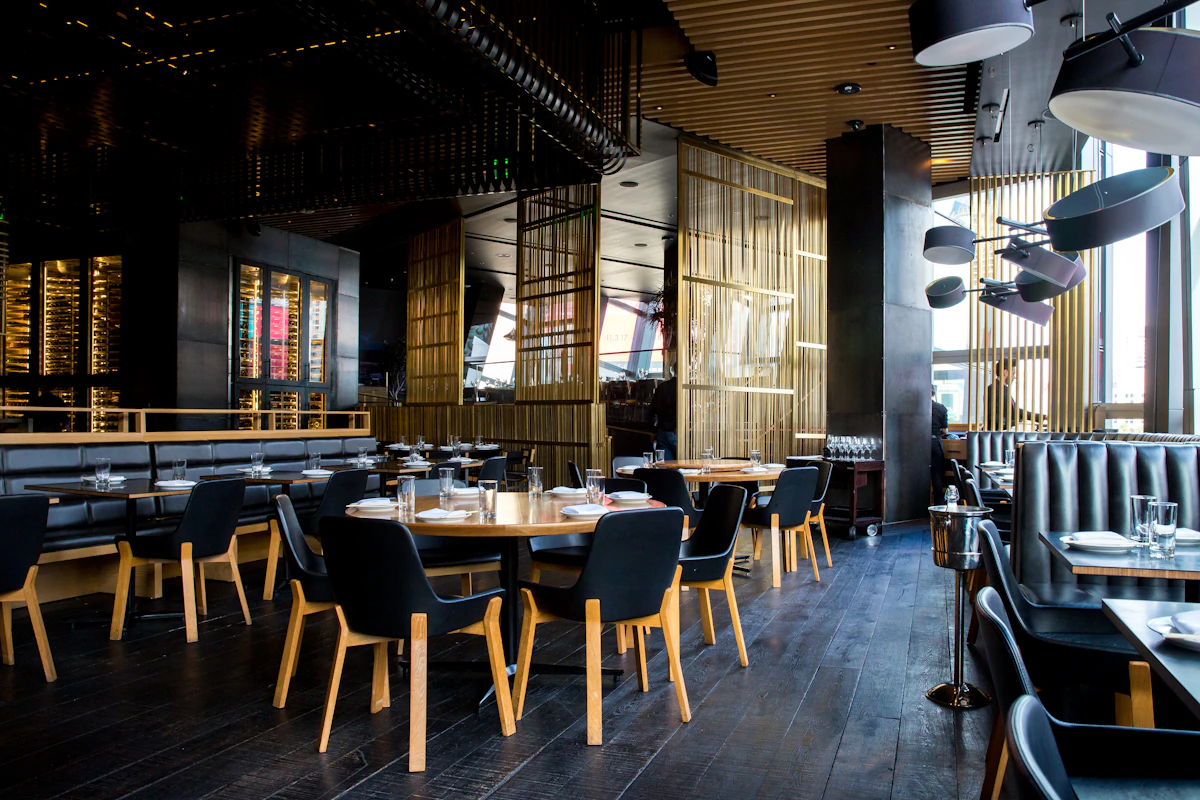
NYC restaurants lose an average of $11,000 or more per year from missed calls during peak service. 43% of restaurant calls go unanswered during busy hours. each one represents a reservation, a catering inquiry, or a private event lead that went to a competitor. An AI voice agent answers every call, captures the booking or inquiry, and logs it for follow-up, even during a slammed Friday-night service when no one on the floor can touch the phone.

As of 2026, the average NYC full-service restaurant runs a 3 to 5% net profit margin. Every dollar counts. and every missed call is a dollar (or three hundred) walking out the door.
This isn't a staffing opinion. The data is brutal and specific.
The Numbers Don't Lie
Think about what that means for a Friday night. Your host is seating a 6-top. Your bartender is four drinks deep on a ticket. The phone rings at 7:30 PM. a party of 5 wanting to book for next Saturday. Nobody picks up. They call the place two blocks over. You just lost $375.
So it's not just a missed call. It's a permanently lost guest. because in 2026, patience is shorter than a TikTok video and Google Maps shows three alternatives before your voicemail even finishes.
What This Actually Costs a NYC Restaurant Per Year
Let's do the math at a conservative estimate for a mid-volume NYC restaurant receiving 60 calls per day:
- 43% unanswered = ~26 missed calls per day
- 85% of those callers don't call back = ~22 permanently lost contacts per day
- Not every caller is booking. assume 30% are reservation intent at $75 average party value
- That's ~7 lost bookings per day × $75 = $525/day in missed revenue potential
- Across a year: $191,625
Even at 10% of that figure being truly "recoverable". that's $19,000/year you're leaving in voicemail purgatory. NYC operator data (Toast, 2025) puts the average at $11,000+ per year in direct missed-call revenue for mid-volume restaurants.
Why It Happens. And Why It's Not Your Staff's Fault
Nobody goes into a dinner rush planning to miss calls. It happens because your host is doing five things at once, your manager is on the floor, and the phone is the lowest-priority interruption when you have a live guest standing in front of you. That's not a people problem. That's a systems problem.
The traditional solution. "hire someone to answer phones". doesn't work at $16 to $22/hr NYC minimum wage when call volume is inconsistent and your margins are already at 4%. You'd be spending more than you recover.
What AI Voice Ops Actually Does
An AI call concierge like Juno. the first of OpsRefresh's 9-agent team. answers every inbound call instantly, 24 hours a day. It handles:
- Hours, directions, parking questions
- Allergy and dietary accommodation inquiries
- Reservation bookings and confirmations (passed to Tessa for SMS follow-through)
- Wait time and availability checks
- Private event and large party inquiries (routed to Piper)
Your host never breaks eye contact with the guest standing in front of them. Your phone never rings unanswered again. And responding to a lead within 60 seconds. which AI enables. is 391% more likely to convert than responding within 5 minutes (InsideSales.com / MIT, 2011).
The No-Show Problem Compounds It
Beyond missed calls, the average NYC restaurant has an 18% no-show rate (OpenTable restaurant data, 2024). On a 60-cover Friday night, that's 10 to 11 covers that paid nothing, held your best tables, and cost you the guests who were waiting. Automated SMS confirmation and reminder sequences cut no-shows by 65 to 75%. that's Tessa's job.
The Practical Fix for 2026
You don't need a new phone system. You don't need to retrain your staff. You need a dedicated AI agent that sits between your existing number and your team. answering everything answerable, escalating what needs a human, and logging every interaction so you can see exactly what was recovered.
OpsRefresh's Shield tier deploys Juno (calls), Tessa (reservations), Quinn (waitlist recovery), and Rosie (review protection) starting at $997/month. Billing and onboarding details are scoped on the audit call so integrations match how your floor actually runs.
Most Shield-tier clients see the fee recovered within the first two weeks from call answering alone.
If you've ever walked off a Friday shift thinking "we were packed but still left money on the table". you know exactly what problem this solves.